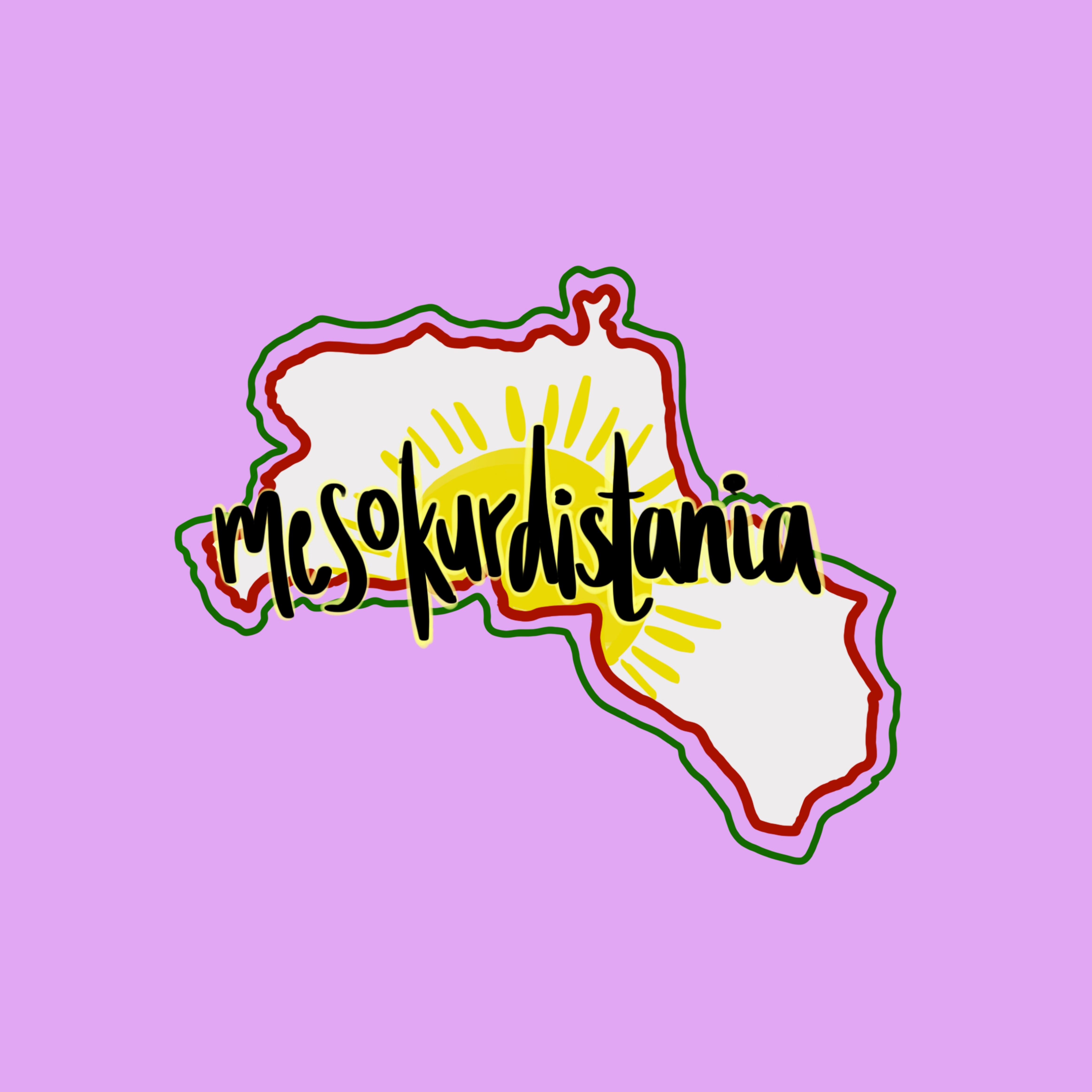
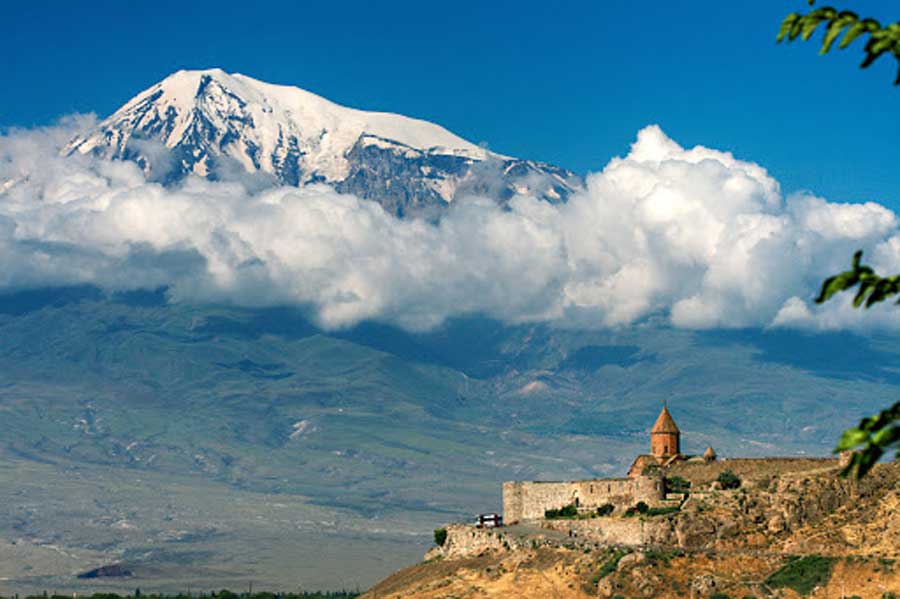
Why is Mount Ararat very important for Armenians and Kurds?
‘’Let Ararat belong to everyone. Everyone knows and recognizes Noah.’’1
-In the shadow of Ararat
Why is Mount Ararat such a special place for many in the region? Why do many claim historical connection to Ararat?
Is the Ark of Noah on Mount Ararat?
Mount Ararat is one of the remarkable landscapes in the Near East, located in the mainly Kurdish-inhabited cities such as Ağrı and Iğdır, home to the highest peak in modern Turkey and overlooking Armenia and Iran. The name Ararat is mostly associated with the Armenian presence in modern eastern Turkey, and the name first appeared in the Hebrew Bible to describe the Armenian highlands where the Ark of Noah came to rest after the floodwaters receded (Bryce, 1877). The settlers also called the mountain by different names such as Masis in Armenian, Çiyayê Agirî in Kurdish, and Ağrı Dağı in Turkish (Rajagopal, 2026). Meanwhile, other holy books indicate the end of Noah’s flood differently, where the Syriac Peshitta Bible (Genesis 8:4) calls it the mountains of Qardū, referring to the indigenous settlers, Carduchiis or Karduchois, who are possibly the ancestors of Kurds, mentioned for the first time by Xenophon in Anabasis, and Qur’an points out Mount Judi in Şırnex/Kurdistan (Hud 11:44) (Rajagopal, 2026). Nevertheless, the name Ararat became well-known as the place of creation after the flood catastrophe with the spread of Christianity worldwide and is still considered a sacred place for humanity (Teryan, 2013).
Ararat in religion, mythology, folktales…
Apart from the catastrophic flood, other mythological tales and folklore about Ararat make the mountain more special for the people of the region since the beginning of civilization. Sumerians, Akkadians, and Assyrians considered Ararat a home for their Gods and created supernatural stories about the peak of the mountain (Wiener, 2026). In the pre-Christian period, Armenians believed that ordinary people could not climb to the peak of Mount Ararat, which Saint Jacob tried three times to worship Noah’s Ark and fell asleep each time, finding himself at the bottom eventually. Some ancient Armenians also believed that legendary King Artavazd was chained by evil spirits at the top of Ararat because his father, King Artashes, cursed him by saying; ‘’When you ride a horse, go hunting, up in Azat, to Masis, the guards catch you, take you, up in Azat, to Masis, you stay there and never see the light. ’’ (Gagikmanukyan, 2022).
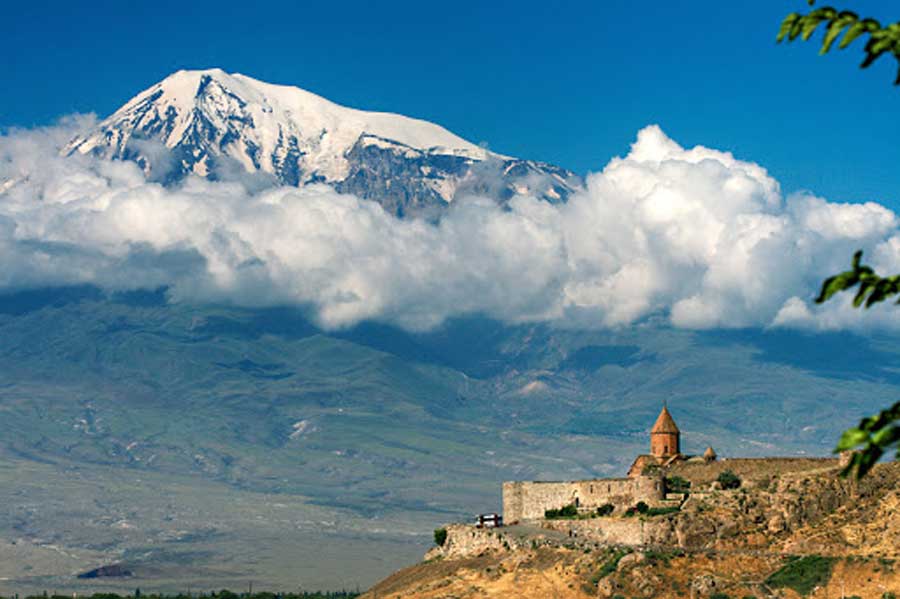
Mount Ararat became a significant part of Kurdish culture and resistance, and Kurds named it Çiyayê Agirî, meaning Mountain of Fire in Kurdish (Sabir, 2026). Kurdish settlers imagined Ararat as a place where mythical creatures live, such as the Simurgh and Djinn that guard Mount Ararat, hidden treasures, and their cultural-historical existence. There are a lot of love stories also around Ararat, written by famous writers such as Yaşar Kemal in Ağrı Dağı Efsanesi, emphasizing that love is impossible and sometimes forbidden, which matches the characteristic of Ararat as Marco Polo said ‘’On the summit the snow lies so deep all the year round that no one can ever climb it; this snow never entirely melts, but new snow is for ever falling on the old, so that the level rises.” Somehow, it feels as though so many remarkable people were related to Mount Ararat, adding that the famous writer of Mem û Zîn, Ehmedê Xanî’s tomb lies on the outskirts of Mount Ararat (Sabir, 2026).
Ararat in resistance…
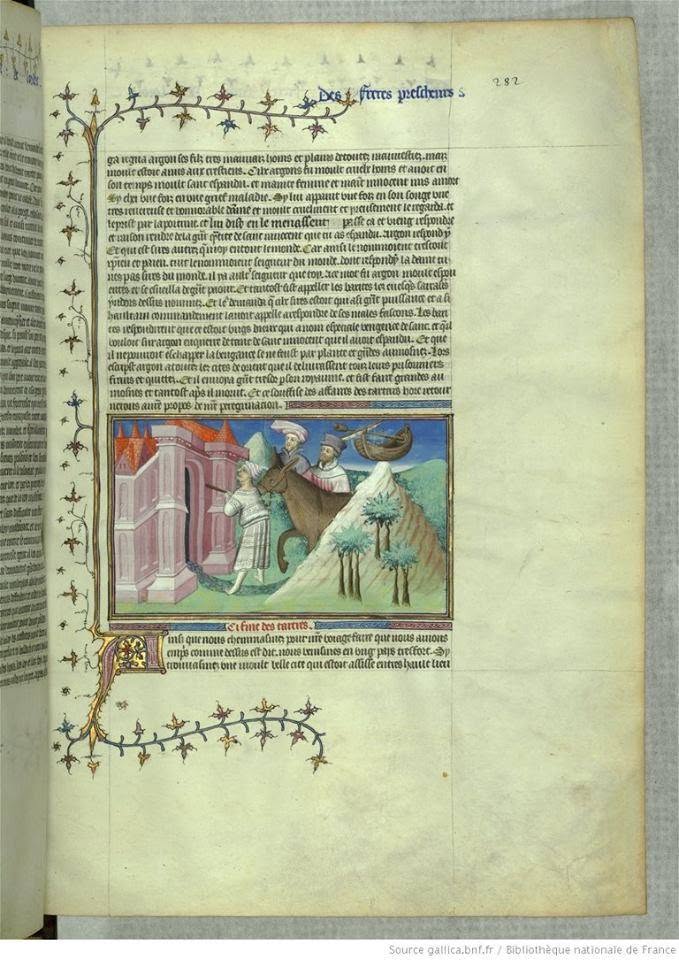
Mt. Ararat was also marked as a symbol of Kurdish-Armenian fraternity, where they proclaimed the Ararat Republic through the collaboration of Xoybun ( means independence in Kurdish) and the Armenian Revolutionary Federation (ARF or Dashnaksutyun) which was later considered one of the most significant Kurdish rebellions in Turkey (Moumdjian, 2018). This rebellion did not carry religious characteristics but rather reflected the desires of the indigenous people of Mt. Ararat for homecoming. Although some Kurdish tribes are alleged to have participated in the Armenian genocide of 1915, the resistance is celebrated by Armenians for stopping the settlements of Turkish muhajirs in Western Armenia or Northern Kurdistan (Moumdjian, 2011). However, the rebellion was crushed brutally by the Turkish army, leaving behind a famous caricature in the newspapers, claiming “Kurdistan is laid to rest on Mt. Ararat’’, which means “Kurdistan Ağrı Dağı’nda meftundur” in Turkish. No doubt, truth always finds a way to survive. This phrase later changed to “Hayali sömürgecilik Ağrı Dağı’nda meftundur” (Imaginary colonialism lies buried on Mt. Ararat) with the resurrection of Kurdish Liberation Movements in the region.
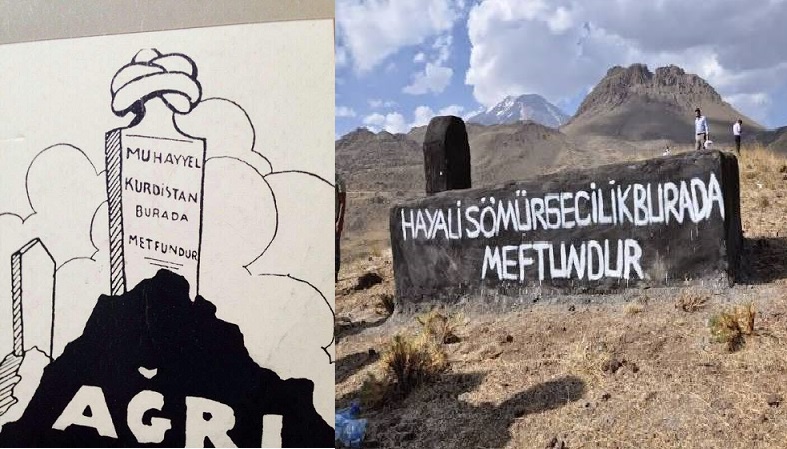
We should also remember that Kurds and Armenians lived together for millennia, specifically around Mt. Ararat; they may not have shared a religion, but they shared geography, culture, and love. One would say they had a symbiotic relationship where Kurds and Armenians exchanged materials, knowledge, skills, and stories around the beautiful mountains of their homeland. Although Armenians became a conservative society in terms of inclusiveness because of several invasions, pogroms, and genocide, and they have always lived under survival conditions even today, they still sincerely embraced the Yazidi and Kurdish community, particularly in Yerevan. Yazidis and Kurds became an indispensable part of Armenians society through cultural, social, and political life (Moskofian, 2026).
To conclude, Mt. Ararat shaped the imagination of the indigenous people of the region, and I just carried the stories of specific ethnicities due to my ancestral connection to those people. No wonder, why does many claim a historical connection to Ararat; perhaps it is because Ararat represents re-creation, life, resilience, culture, history and the things that surpass human imagination. Particularly for Kurds and Armenians, Mt. Ararat is a sacred place that hypnotizes people in Qars, Agiri, Igdir, and Yerevan every morning with the sunrise. This strong attraction to the nature of Ararat is more important than national sentiments, prestige, and power politics. If you feel it even once, you would also say, as that wise Armenian man said ‘’Let Ararat belong to everyone. Everyone knows and recognizes Noah.’’
Resources
Anas Crecca Travel. (n.d.). Mount Ararat: Where myth meets Turkish soil. https://anascreccatravel.com/mount-ararat-where-myth-meets-turkish-soil/
Bryce, J. (1877). On Armenia and Mount Ararat. Proceedings of the Royal Geographical Society of London, 22(3), 169–186. https://doi-org.acg.idm.oclc.org/10.2307/1799899
Gagikmanukyan. (2022, November 10). «Արտաշես և Արտավազդ» առասպել — լրացուցիչ աշխատանք. Գագիկ Մանուկյան. https://manukyangagik.wordpress.com/2022/11/10/3686/
Legends of Mount Ararat. https://www.advantour.com/armenia/ararat/legends.htm#:~:text=According%20to%20a%20local%20legend%2C%20Saint%20Jacob,were%20strictly%20forbidden%20to%20climb%20Mount%20Ararat
Moumdjian, G. K. (2011, November 30). The Ararat rebellion and the Kurdish question in the Second Socialist International. Armenian-History.com. https://armenian-history.com/ararat-rebellion-kurdish-question/
Moumdjian, G. K. (2018). Armenian involvement in the 1925 (Ararat) and 1937 (Dersim) Kurdish rebellions in Republican Turkey: Mapping the origins of “Hidden Armenians”. Uluslararası Suçlar ve Tarih / International Crimes and History, (19), 177–242. https://dergipark.org.tr/en/download/article-file/700953
Moskofian, H. (2026, February). Armenian–Kurdish relations. Center for Democratic Modernity. https://cdmme.org/en/?p=2709
Rajagopal, S. (2026, July 24). Ararat. Onomastikon. https://onomastikon.org/civilizations/ararat
Sabir, S. (2026, June 5). Ağrı (Agirî): Mount Ararat and the Ararat Rebellion – Kurdish History. Kurdish History. https://www.kurdish-history.com/post/agri-agiri/
Teryan, A. (2013, July 4). About the names Sis, Masis and Ararat of sacred Armenian mountain. Angela Teryan’s Blog. https://angelateryan.wordpress.com/2013/07/04/about-the-names-sis-masis-and-ararat-of-sacred-armenian-mountain-3/
Wiener, J. B. (2026). Mount Ararat. World History Encyclopedia. https://www.worldhistory.org/Mount_Ararat/


Leave a comment