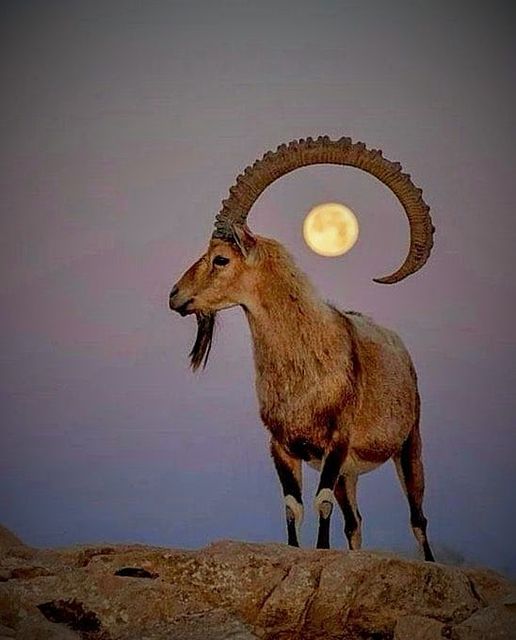
The fire never left Kurdistan for several reasons. The wildfires mostly started by occupying states to annihilate everything that belonged to the Kurds. All the invaders who passed through Kurdistan tried to reduce everything to ashes. However, Kurdistan stood and reborn itself again and again. Although Kurdistan faced strong attacks, forced assimilations, and genocides, Kurds found a way to reproduce life rapidly.
Recently, those invaders attempted to ruin our ecosystems by burning them. Those barbarians do not only kill Kurds, but they also eliminate species (including endemics) in our mountains because they are also enemies of trees, plants, and animals who live among Kurds. They know the truth: Kurds are united with their nature through love however they do not realize that this love will never be broken or wiped out. This is the base that keeps us alive because Kurds have lived in Mesopotamia for over four millennia, unlike Asian immigrants who settle in our land and claim ownership there.
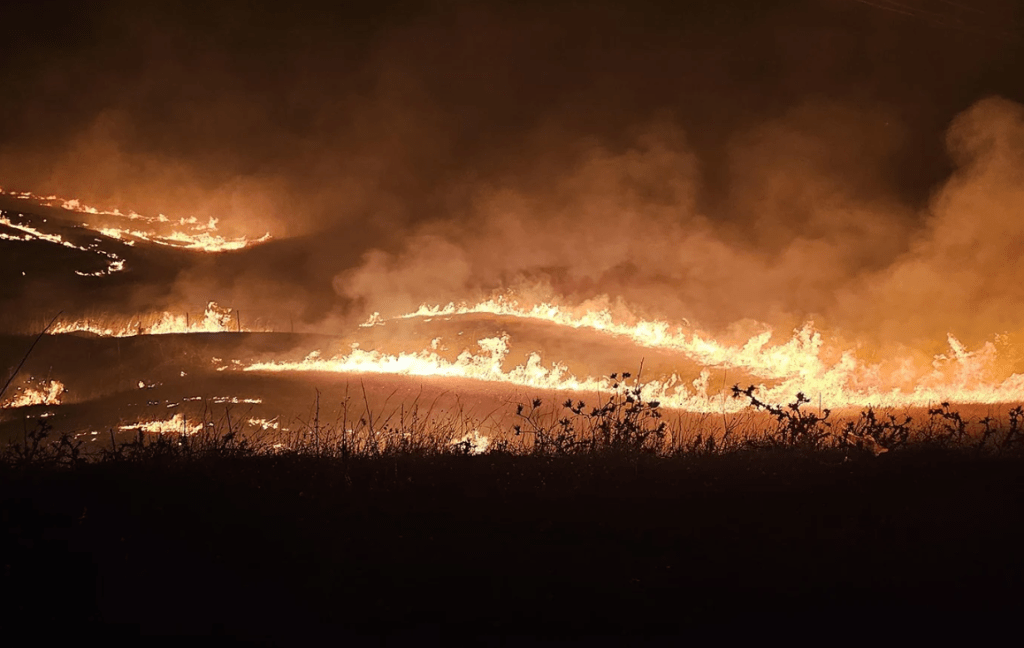
No doubt, nobody can separate Kurds from Mesopotamia and its nature which which they admire and protect. Therefore I wanted to write about mountain goats which are called ‘‘pezkovî or pezkûvî’’ in Kurdish. Pezkovi is mostly known for its specific characteristics such as being stubborn, free, and mountainous like Kurds.
According to the research, the goats were domesticated 10,000 years ago in the whole Zagros where Kurds were living. 1 Although it is argumentative that goats are domesticated, they became a companion to the Kurds in ancient times. Additionally, in Kurdish, Pezkovi has been used for non-domesticated animals, indicating that Kurds regard them as free creatures. Perhaps, this is the reason Pezkovi even became a national, sacred symbol of Kurds.2
The goats were always productive animals in Mesopotamia, even the Medes who considered the ancestry of Kurds, carved the goats’ figures to the tablets or embellished the rhytons and scabbards. 3
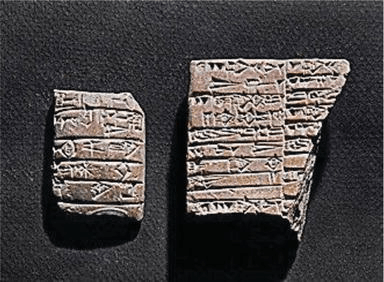
Terracotta tablets inscribed with the records of goatherds (left) and cowherds (right), unearthed at Lagash, Mesopotamia, and dated to 2250–2175 B.C.E. 4
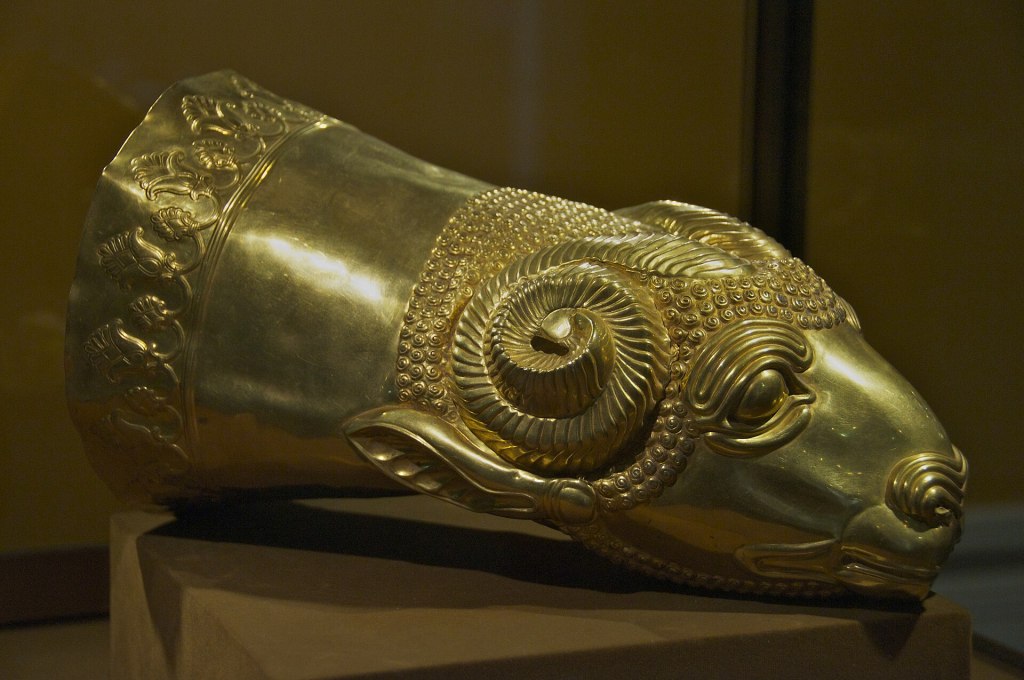
Golden rhyton from the period of the Medes Empire excavated at Ecbatana (The capital of Medes, near Zagros mountain). National Museum of Iran. 5
The travelers visiting and exploring Kurdistan were also fascinated with mountainous goats and depicted them in their books. 6 Probably, the folktales and artifacts rendered goats very attractive to travelers because the goats were mostly commonly represented in Mesopotamian art and mythology.
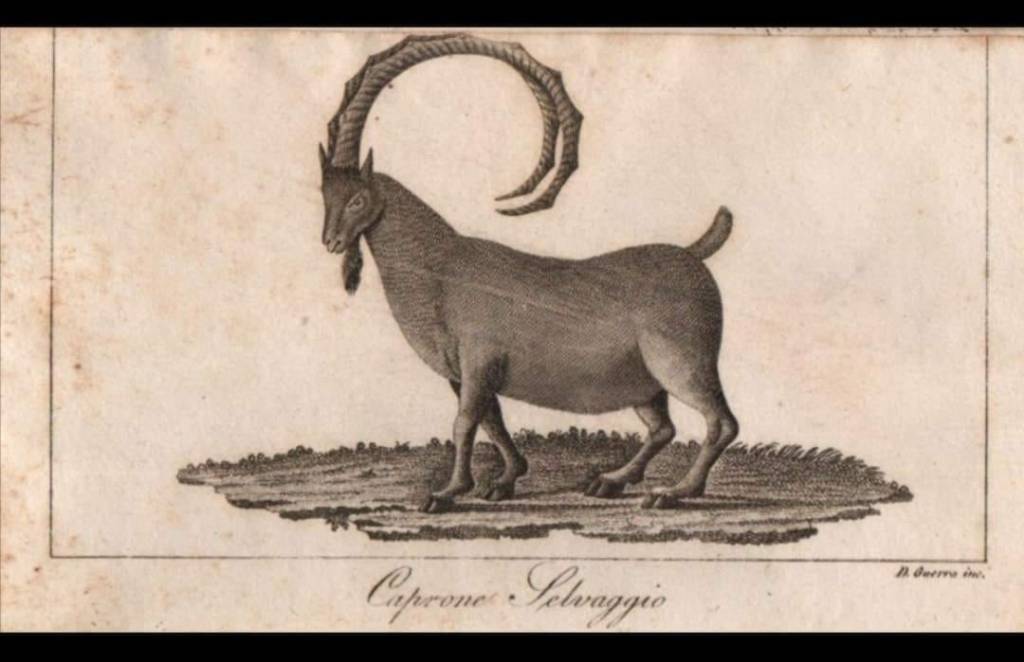
The picture of a mountain goat ( Giuseppe Campanile, Histoire du Kurdistan pp. 140)
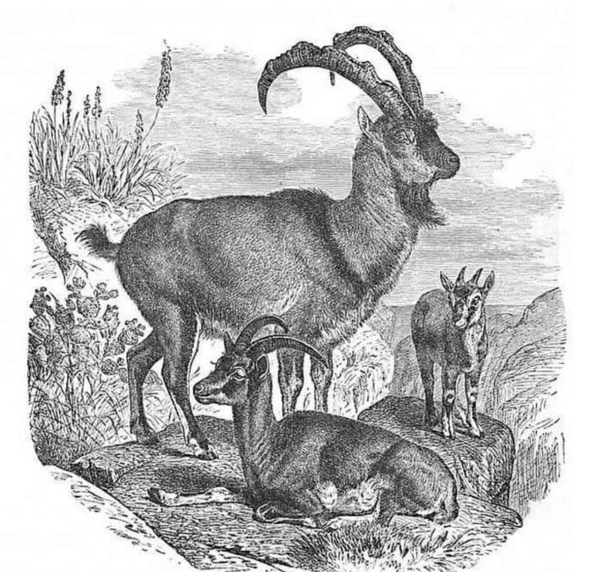
Artist: Helena J. Maguire, 1890, Zagros Mountains, Mountain Goats in Kurdistan
The Mesopotamian goats are often depicted with goats, you may find Marduk or Ishtar with goats in many pictures. Particularly in Sumerian beliefs, the goats belonged to the Marduk and they were considered strong and unpredictable.7
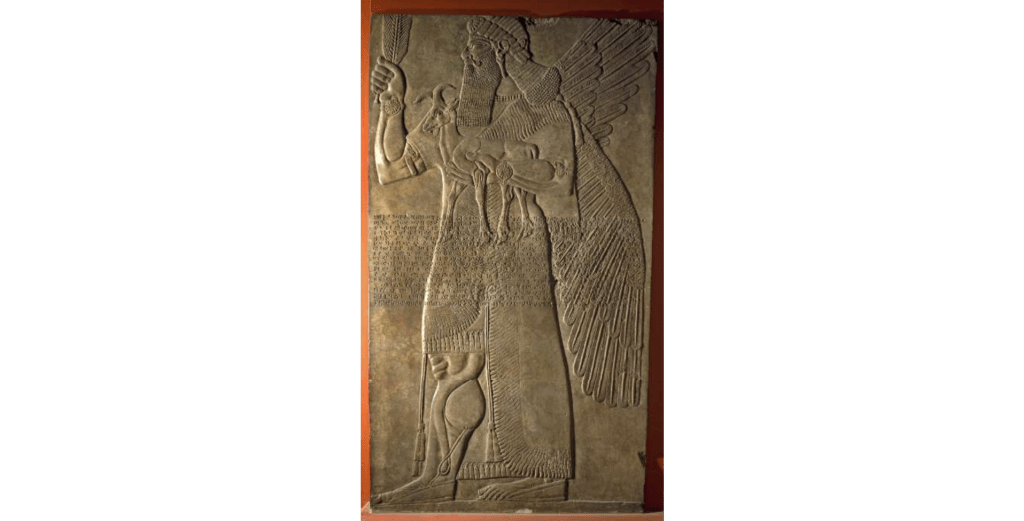
A Babylonian priest of Marduk, Apkallu depicted with a goat in hand. The goats are also found in Sumerian inscription collections. Mesopotamia, modern-day Iraq. Neo-Assyrian period, 865-860 BCE. The British Museum, London.
The goats were part of religious rituals they found in paintings as offerings to the deities.

Mesopotamian – Cylinder Seal with a Deity Accepting an Offering – The time of Hammurabi – The Deities Shamash and Ishtar with the goats.
The characteristics of goats (intelligence, craftiness, and independence) attributed to human behavior in the everyday life of Mesopotamia. This explains the complicated and artistic aspects of goats in natural life. This amaze is even found broadly in Sumerian inscription collections.
‘’Page 171. 8.Sec.B28.—‘A fox spoke to a goat, “Let me put my shoes in your house!” The goat answered, “When the dog comes, let me hang them on a nail!” The fox answered, “If the dog stays like that in your house, bring me my shoes. Let me not stay till midnight!”’ (Category: narrative contest. Possible explanation: this dialogue again suggests the intelligence of the goat in being able to outwit another creature).’’8
The goat’s figurines and pictures are found all over Kurdistan because the goats symbolize fertility as well. Obviously, the nature of goats is in harmony with Kurdish nature because they reach very difficult terrains and survive by eating different vegetation. They survived like Kurds and accompanied them for generations Therefore they are an integral part of daily life, art, and mythology.
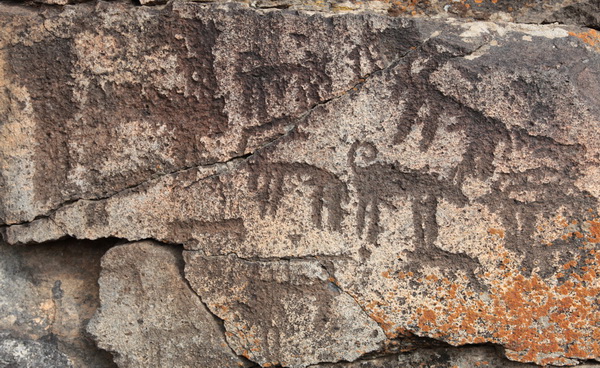
The Archeological Site of Ani, Kars.
In other words, the Pezkovi is the sacred animal of Kurdistan and it is forbidden to hunt them. They are the real residents of Kurdistan as much as Kurds. In Dersim (Northern Kurdistan), locals believe that at the dawn of day, Xızır (Al-Khidr) entrusts nature to goats, allowing them to roam and feed until sunset. That is why locals avoid touching them; instead, they protect and guard them. 9
Further, since it is believed that saints such as Duzgun Baba and Munzur Baba wandered around with goats in Dersim, hunting or eating goats is prohibited by their belief.10
The modern Kurdish poets were even impressed by the fascinating ties between goats and Kurds. The poet, Renas Jiyan in his poem ‘’JANYA’’ says that ‘’Jİ QEVMÊ PEZKOVİYAN RE XEW HERAM E’’ which means ‘’sleep is forbidden for the tribe of mountain goats.” I believe the poets emphasize the tough life in the mountains and Kurds’ distinctive traits, such as resilience, dedication, and constant labor. Perhaps it also implies that Kurds must be constantly alert to defend the beauty of Kurdistan from threats.
Kurds, particularly these days, must be more cautious and aware of the essence of Kurdistan. The battle against Kurdistan’s nature is ongoing, and our opponents are using several tools to destroy it. We have to work together to preserve our cultural heritage and nature.
Defend Kurdistan!
- https://www.researchgate.net/publication/278633066_Evolutionary_history_of_wild_goat_Capra_aegagrus_and_the_goat_C_hircus_based_on_the_analysis_of_mitochondrial_and_nuclear_DNA_polymorphism_Implications_for_conservation_and_for_the_origin_of_the_domes/references ↩︎
- http://www.ekurds.com/english/kell.htm ↩︎
- https://www.academia.edu/2390658/_In_Search_of_the_Lost_Median_Art_Iranica_Antiqua_40_271_314 ↩︎
- https://www.intechopen.com/chapters/64839 ↩︎
- https://en.wikipedia.org/wiki/Medes ↩︎
- https://www.foldvaribooks.com/pages/books/587/giuseppe-campanile/storia-della-regione-del-kurdistan-e-delle-sette-di-religione-ivi-esistenti-del-p-m-giuseppe ↩︎
- https://www.terriwindling.com/blog/2014/12/the-folklore-of-goats.html ↩︎
- https://www.intechopen.com/chapters/64839 ↩︎
- https://pirha.org/munzurun-kutsal-kecilerine-oldu-41991.html/15/02/2017/ ↩︎
- https://www.indyturk.com/node/23761/haber/dersimin-t%C4%B1ls%C4%B1ml%C4%B1-varl%C4%B1klar%C4%B1-da%C4%9F-ke%C3%A7ileri ↩︎
 Mesokurdistania
Leave a comment