
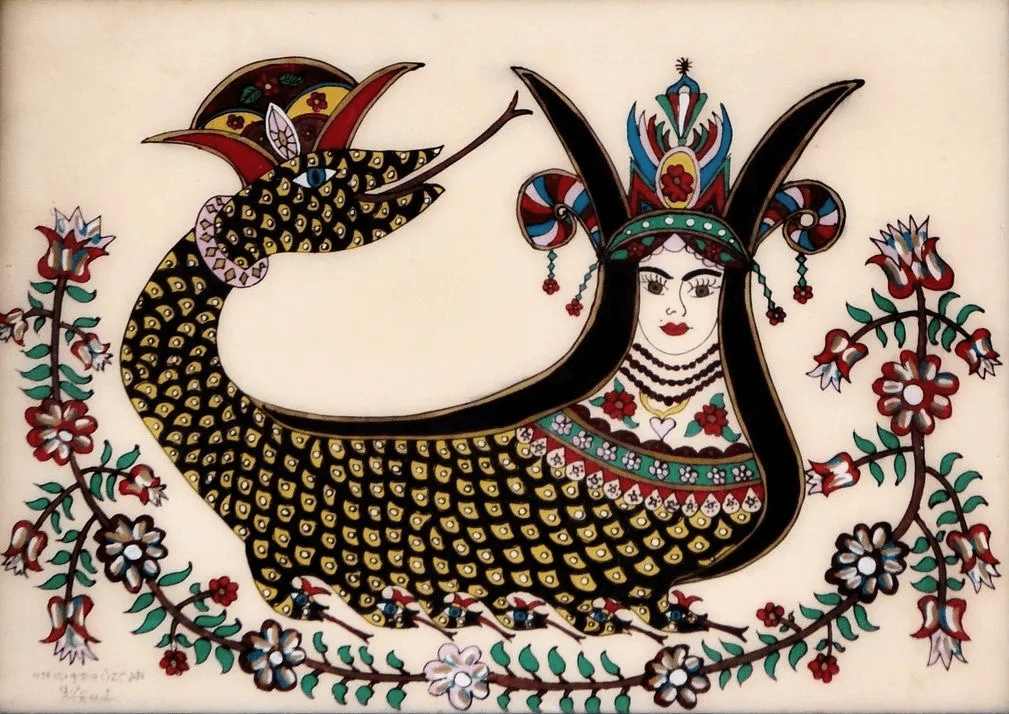
Every single village in Kurdistan has a great story, fairy tale, or epics. However, all Kurdish literature is not mostly written and transmitted to other generations verbally. Through the efforts of precious people, those stories are still alive but adopted by different cultures as well without referring to their Kurdish or Mesopotamian origin. No doubt, the geography where the Kurds live called Mesopotamia is home to a range of cultures and ethnic groups. Kurds share the culture with others and we have a lot of similarities with them. Although being subjected to various forms of genocides, Kurds, Armenians, Assyrians, Circassians, and Yezidis remained alive, each with their own unique and rich cultural heritage, particularly through their stories.
In this post, I am very excited to talk about one of those stories; The Queen of Snakes; Shahmaran. The story of Shahmaran is tried to be adopted by other cultures in different ways. Shahmaran was reproduced and reshaped by supremacist cultures by series, and movies without attributing its Mesopotamian root and the precious meaning. We, people who met Shahmaran in our homes are obligated to tell the true story of her respectfully as she deserves. All Kurdish families -even some affected strongly by cultural assimilations- always kept the picture of Shahmaran in their homes because in Kurdish lands Shahmaran is always symbolizing fertility, peace, kindness, and adherence. It is also believed that Shahmaran is protecting the homes from snakes or evilness. 1
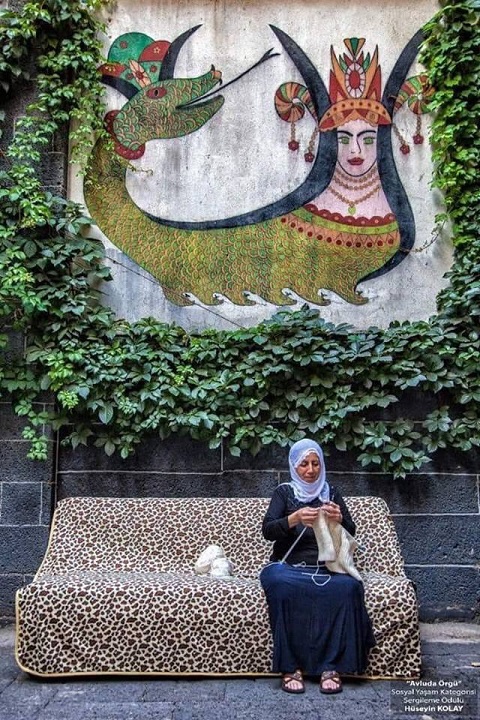
According to Kurdish mythology, the legend of Shahmaran lived in an underground cave in Mesopotamia. Although the story ends similarly, the characters have taken different names, even in some English versions Shahmaran is portrayed as a king. 2 However, the main theme of the story is the same; the betrayal of humankind deliberately or unwillingly. Succinctly, once upon a time Camshap (also known as Tahmasp, Hassan, and Cihan in other stories) and his friends discovered some honey while shepherding goats and Camshap began excavating a hole to extract the honey. A long time afterward, Camshap chose to stay in the hole and offered the others that they would sell the honey at the bazaar once it had become very deep. His companions sold honey in the bazaar every day, and he gave his share to the family. When the honey ran out one day, Camshap needed help getting up, but his companions abandoned him in the hole. Camshap eventually discovered a gate that led to the snake’s land and a shining woman who was half-snake from the waist down. The Queen of Snakes told Chamshap ‘’No need to be scared of snakes, they all connected to my mind. You are safe here’’. Long time, Chamshap and Shahmaran lived together; however, Chamsap missed his land and asked Shahmaran If he could go to his homeland to see his family. Shahmaran was a wise woman, she permitted him to leave despite knowing he would cause her death.3
At that time, The King of Mardin had a fatal disease.4 The doctor said to him ‘’Your medicine is Shahmaran’’. Following that day, the King ordered everyone to find the man who saw the Shahmaran and was carrying her tattoo on his back. Unfortunately, the King discovered the Camshad, but Chamshad did not betray the Shahmaran. The ruthless King threatened Camshad and his family, and Camshad surrendered. Shahmaran was aware of everything and waiting for them. When they found Shahmaran, the Queen commanded snakes not to harm humans to avoid a war between snakes and humans. Shahmaran said to them, ”I’ll now tell you my secret. Whoever chops off and eats a bit of my tail will discover the world’s secrets and mysteries. But whoever cuts off my head and eats it will die right away.”5 Camhap was suffering from his betrayal and ate her head to alleviate his grief, while the King ate her snake tail. Shahmaran was a powerful and educated woman, and this was her final plan because of her love for Camshap. The King died fast over there, and Camshap began to wander from village to village out of remorse.
Therefore, the attitude and mindset of Shahmaran are always associated with wisdom, intelligence, loyalty, peace, and love. The story of Snakes’ Queen also revealed the power of the woman by highlighting the role of women in Kurdish society. Likewise the legendary slogan ‘’JIN, JIYAN, AZADI’’ which means ‘’LIFE, WOMAN, FREEDOM’’ comes up in this story with its real meaning. Shahmaran was confident, determined, and never surrendered. The death of Shahmaran did not cause a war between snakes and humankind by her last order and her last plan ended the cruelty by killing the Cruel King like the brave Kurdish women who are fighting to end the cruelty currently in Kurdistan.
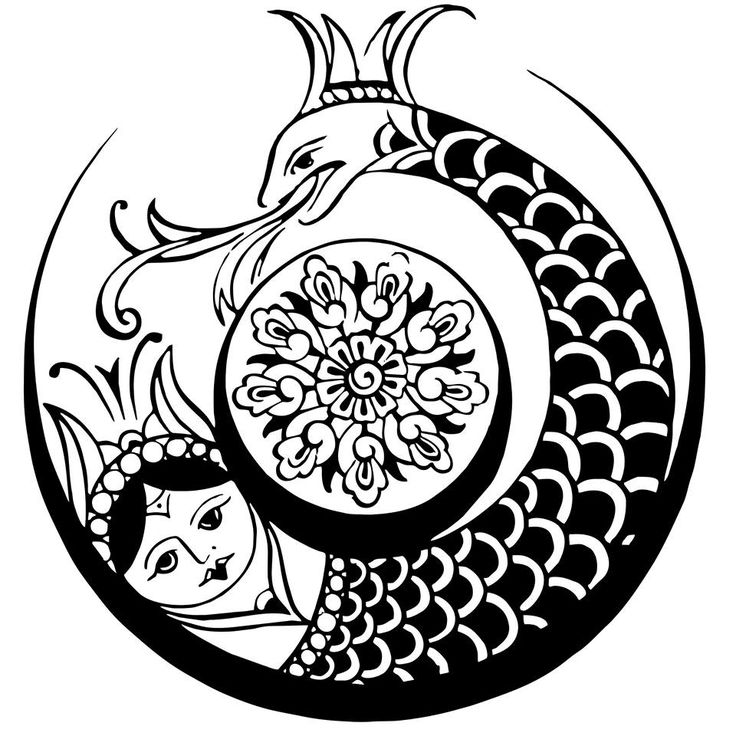
In specific regions of Kurdistan, people also claim that Shahmaran appears in the hills or mountains and interacts with them. Shehnaz (Agiri, 50) shared her memories with Shahmaran, stating that when she was a little girl (12), she was carrying food from her home to farms for her father and relatives. She and her sister (6) began to walk to the farms, but as they approached the hills, they noticed something extremely white, shining, and beautiful. She stated that she even had her earrings. They wanted to get close to witness this beauty, and she was not afraid of her at all. When they got close, Shahmaran hid in a hole in the hill. Her sister began crying and Shahmaran asked them, ”Why are you scared? Don’t be scared. Shehnaz decided to leave because her sister was terrified.
Perhaps some people believe that Shahmaran, a strong woman, never died or left Kurdistan. She may appear unexpectedly for lovely hearts. The beautiful Kurdistan is sacred because of its wisdom and fertility, and the culture that our ancestors brought to us will always be ours unless we keep it alive by explaining others. The truth cannot be hidden.
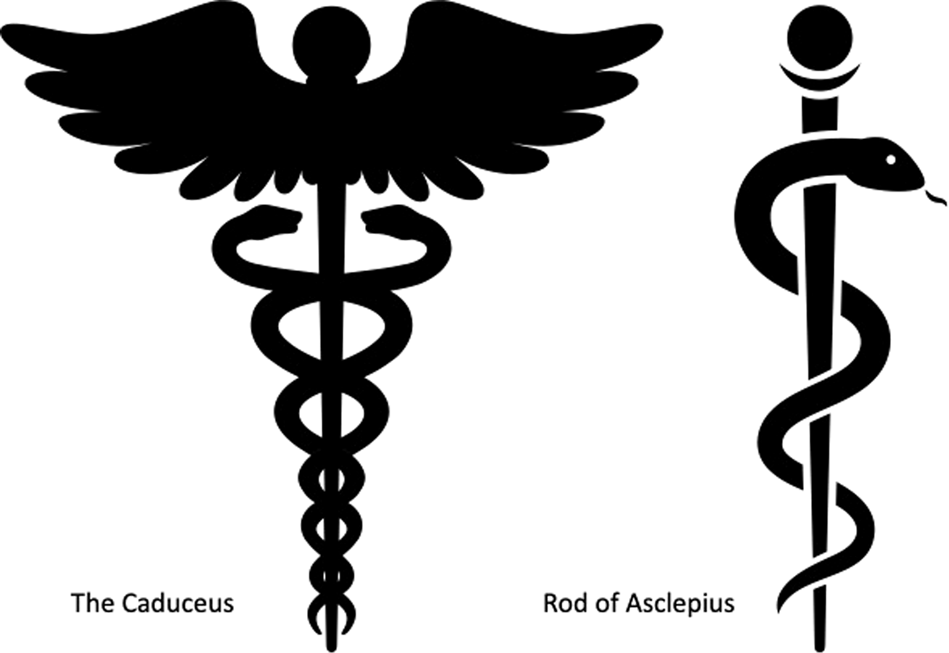
Note: The snakes in Kurdish culture represent good fortune, power, and better fertility. Likewise, the symbol of medicine6 comes from the rod of Asclepius who is the Greek god of healing and medicine , also in Kurdish culture the horizontally elongated snake reflects fertile ground, while the intertwining snake represents eternity. The snake symbols and meanings mostly reached out to the current day through Shahmaran’story and its paintings in Kurds’ homes.7
Kiria Fariza
- https://www.saradistribution.com/shamaranKurdishFolkTaleMotives.htm ↩︎
- The ring of Shah Maran, a story from the mountains of Kurdistan https://babel.hathitrust.org/cgi/pt?id=mdp.39015031992384&seq=2 ↩︎
- https://anfturkce.net/toplum-ekolojI/bir-gerillanin-dilinden-sahmaran-hikayesi-14353 ↩︎
- https://medium.com/@nazdar.khalil7/shahmaran-the-kurdish-legend-19f65409bebf ↩︎
- https://kurtedebiyati.blogspot.com/2014/05/sahmeran-efsanesi-hikayesi.html ↩︎
- https://www.nature.com/articles/s41433-022-02054-x ↩︎
- The Serpent Symbolism in the Yezidi Religious Tradition and the Snake in Yerevan
https://www.researchgate.net/publication/261974002_The_Serpent_Symbolism_in_the_Yezidi_Religious_Tradition_and_the_Snake_in_Yerevan ↩︎
 Mesokurdistania
Leave a comment